He Was Thrown Away for Being “Too Dirty” — But This Loyal Old Dog Refused to Leave the Only Home He Ever Knew
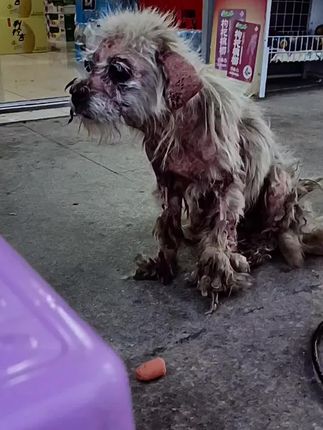
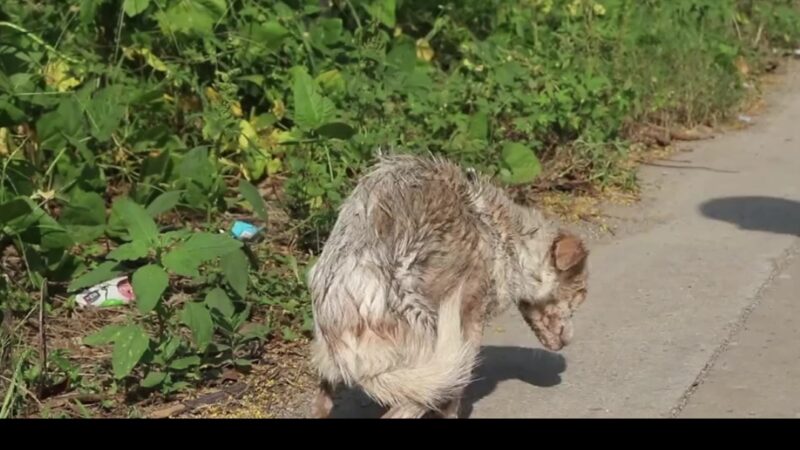
In a quiet neighborhood where routines rarely change and familiar faces come and go without much notice, an old dog began to wander in slow, uncertain circles around a house he once called home. His fur, once thick and proud, had become matted and worn with age, and his body carried the unmistakable signs of time catching up with him. Yet what stood out most was not his frailty, but his persistence. Despite being cast aside by the very people he had spent his life protecting, the aging dog refused to leave.
Neighbors recall that the dog had lived in that house for many years, growing up alongside the family who once cared for him. He had been a loyal companion, a quiet guardian, and a constant presence through the changing seasons. But as time passed and his body began to fail him, affection turned into indifference. The same dog who once greeted his owners with wagging enthusiasm was now seen as a burden—too old, too dirty, and too inconvenient to keep.
Eventually, the decision was made to abandon him. There was no ceremony, no farewell, and certainly no gratitude for the years of unwavering loyalty he had given. He was simply pushed out, left to fend for himself in the very place he had spent his entire life protecting. But what happened next left many people both heartbroken and deeply moved.
Instead of wandering far away in search of a new place or giving up entirely, the old dog stayed close. Day after day, he circled the house, resting near the gate, lying quietly by the doorstep, and occasionally lifting his head as if hoping someone might call him back inside. Even when he was chased away or ignored, he would return. His body may have been failing, but his sense of belonging had not.
People passing by began to notice him. Some saw him as just another stray, but others recognized something deeper in his behavior. This was not a dog aimlessly roaming the streets—this was a dog waiting. Waiting for a familiar voice, a kind gesture, or perhaps just one last acknowledgment from the people he had loved unconditionally. His loyalty had not faded, even when it was no longer returned.
What makes this story especially poignant is the contrast between human judgment and animal devotion. The dog was labeled “dirty,” yet the dirt on his fur was nothing compared to the emotional neglect he endured. While his appearance had changed with age, his heart remained the same. He still saw that house as his home, and those people as his family, even when they had already let go of him.
Local residents began to step in quietly. Some would leave food near the gate, while others placed bowls of water where he often rested. A few even tried to coax him away, hoping to give him a safer and more comfortable place to spend his remaining days. But the dog resisted. Every attempt to relocate him ended the same way—he would return to the house, determined to stay close to the life he once knew.
It is often said that dogs live in the present, but this old dog seemed to live in memory as well. Each corner of the yard, each familiar scent, and each sound from within the house likely carried echoes of better days. For him, leaving meant more than just changing location—it meant abandoning everything he had ever loved. And so, despite hunger, exhaustion, and rejection, he stayed.
Stories like this force us to confront uncomfortable truths about responsibility and compassion. Pets are often brought into homes with joy and excitement, but their care requires long-term commitment. As animals age, they need more patience, more understanding, and more kindness—not less. Yet, too often, they are discarded when they become inconvenient, as though their loyalty has an expiration date.
The old dog’s quiet vigil became a symbol in the neighborhood. People spoke about him in hushed, reflective tones, sharing both sadness and admiration. Some questioned how anyone could abandon such a devoted companion, while others were inspired by the dog’s unwavering sense of duty. In a world where loyalty can sometimes feel conditional, his actions stood as a powerful reminder of what true devotion looks like.
Over time, his movements slowed even further. He spent more hours lying down, conserving what little energy he had left. His eyes, once bright and alert, grew tired, but they still followed every movement near the house. Each passing day seemed to bring him closer to the end, yet he remained where he believed he belonged.
Animal welfare advocates often emphasize the importance of dignity in an animal’s final years, and this story highlights exactly why that matters. Aging is not a flaw—it is a natural part of life. For animals who have spent their entire lives offering companionship and protection, their later years should be met with gratitude, not abandonment. The old dog did not ask for much; he simply wanted to stay near the place he loved.
Eventually, discussions began among concerned neighbors about finding a way to help him without causing distress. Some suggested building a small shelter near the gate, allowing him to remain close while still being protected from harsh weather. Others considered reaching out to local rescue groups, hoping to find a solution that would respect both his emotional attachment and his physical needs. But everyone agreed on one thing—he deserved better than what he had been given.
As the days turned into weeks, the dog’s story spread beyond the immediate neighborhood. People who heard about him were deeply affected, many expressing both sorrow and admiration. His quiet resilience touched hearts, serving as a reminder that love, even when unreturned, can remain incredibly powerful. He did not understand why he had been abandoned, but he understood where he belonged.
In the end, the image that stayed with everyone was simple yet profound: an old, tired dog lying near the gate of a house that no longer welcomed him, still keeping watch as if it were his duty. There was no anger in his eyes, no sign of resentment—only a quiet, enduring loyalty that refused to fade. It is a scene that lingers in the mind, prompting reflection on how we treat those who depend on us.
This story is not just about one dog; it is about the choices people make and the values they uphold. It challenges us to think about commitment, empathy, and the responsibilities that come with caring for another living being. The old dog may not have had the strength to change his circumstances, but his actions spoke louder than words ever could.
In a world that often moves too quickly to notice such quiet acts of devotion, his story stands still, asking us to pause and reconsider what it truly means to be loyal. And perhaps, in remembering him, more people will choose compassion over convenience, ensuring that no other animal has to spend its final days waiting outside a home that has already closed its doors.