From Collecting Trash to Saving Lives: Poor Elderly Woman Rescues Sick Mother Dog and Puppy on a Lonely Beach

On a quiet stretch of coastline where the waves roll in gently and the wind carries the scent of salt and seaweed, an elderly woman who survives by collecting recyclable waste made a decision that has since touched the hearts of many. Despite living in poverty and facing each day alone, she rescued and nursed back to health a sick mother dog and her fragile puppy, proving that compassion does not depend on wealth.
For years, the old woman had walked the same beach at dawn. With a worn sack slung over her shoulder and a long metal hook in her hand, she patiently sifted through the sand for plastic bottles, aluminum cans, and scraps that could be sold for a few coins. Her small hut, built from patched wood and sheets of rusted metal, stood not far from the shoreline. It offered little protection from storms and even less comfort during cold nights, yet it was the only home she had.
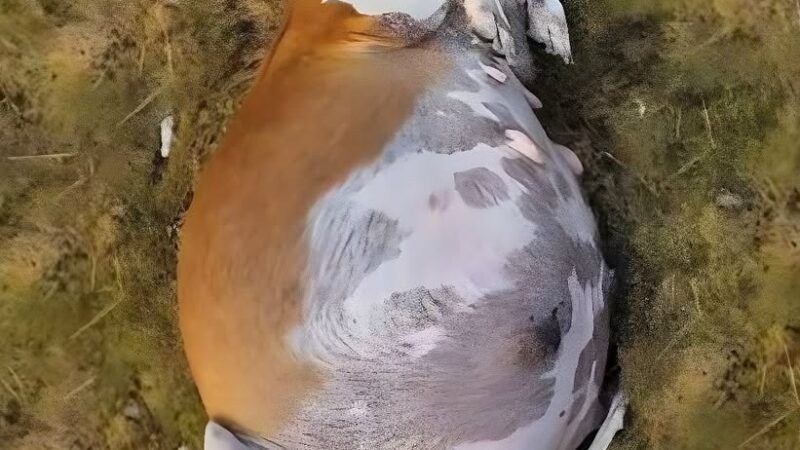
On one particularly gray morning, as the tide receded and revealed clusters of sea debris, she noticed a faint movement near a pile of driftwood. At first, she assumed it was another piece of trash caught in the wind. But as she stepped closer, she saw a thin, trembling mother dog curled protectively around a tiny puppy.
The sight stopped her in her tracks.
The mother dog’s fur was matted and dull, her ribs sharply visible beneath her skin. Her eyes, though weary, carried a quiet plea. The puppy beside her was even smaller than expected, barely able to lift its head. It was clear that both animals were severely malnourished. The mother dog appeared ill, possibly suffering from an untreated infection, and too weak to stand.
The old woman later recalled that in that moment, she saw not just animals in distress but reflections of her own loneliness and hardship.
Beach communities often struggle with stray animal populations. According to data shared by organizations like World Animal Protection, millions of dogs worldwide live on the streets without access to food, shelter, or medical care. In many developing coastal regions, abandoned animals are common, especially near tourist areas where pets are sometimes left behind.
But for this elderly woman, statistics did not matter. What mattered was the suffering in front of her.
Without hesitation, she set down her sack of collected trash and knelt beside the dogs. The mother dog did not growl or attempt to flee. She simply looked at the woman with tired eyes, as if too exhausted to resist and perhaps sensing kindness.
The woman gently touched the dog’s head. It was burning with fever.
Though she had almost nothing, she could not walk away. Carefully, she wrapped the puppy in an old scarf she wore around her neck and lifted the mother dog as best she could. It was a slow journey back to her hut. She stopped several times to rest, her frail body struggling under the combined weight. Yet she did not give up.
Inside her modest shelter, she laid the dogs on a flattened cardboard box layered with a thin blanket. That night, she shared her only meal—a small portion of rice and leftover vegetables—with the starving animals. She boiled water over a tiny charcoal stove and used strips of clean cloth torn from an old shirt to wipe the mother dog’s wounds.
The following days were even more challenging.
The woman’s income depended entirely on what she could collect and sell. On average, she earned just enough to buy simple food for herself. Now, she had two additional mouths to feed and a sick dog that clearly needed medicine.
Neighbors later said they saw her walking farther than usual along the beach, staying out longer under the scorching sun. She gathered more recyclables than ever before. At night, instead of resting, she sat beside the dogs, checking the mother’s breathing and ensuring the puppy stayed warm.
When the mother dog’s condition did not improve after several days, the woman made another difficult choice. She took a portion of her small savings—money she had been setting aside for emergency food—and visited a local veterinary clinic on the outskirts of town.
The veterinarian who examined the dog confirmed that the animal was suffering from a serious but treatable infection, compounded by severe malnutrition. Treatment would require antibiotics, basic supplements, and consistent feeding.
The cost, though modest by many standards, represented a significant sacrifice for the elderly woman.
Yet she paid without hesitation.
She carried the medicine home carefully, as if transporting something precious. Administering the treatment was not easy. The mother dog was weak and sometimes too tired to swallow. But the woman patiently mixed crushed medication into small portions of soft food, feeding her little by little.
Gradually, signs of recovery began to appear.
The fever subsided. The dog’s eyes grew brighter. She managed to sit up on her own. Within two weeks, she was able to stand and take a few shaky steps outside the hut. The puppy, nourished by both its mother and the food provided by the woman, became more active, wobbling around on unsteady legs.
The transformation was remarkable.
What had once been two near-lifeless creatures on the edge of survival were now playful companions. The puppy often chased bits of driftwood near the hut, while the mother dog stayed close to the woman, following her like a shadow during her daily beach walks.
Local residents began to notice.
At first, they had pitied the old woman, seeing her as someone barely able to care for herself. But witnessing her devotion to the dogs changed their perspective. Some neighbors occasionally offered small bags of rice or leftover food for the animals. A fisherman once brought scraps of fresh fish. A child from the nearby village gave the puppy a handmade rope toy.
The story of the elderly trash collector who rescued a dying dog and her puppy slowly spread through the community.
Animal welfare advocates say such acts of kindness highlight the powerful human-animal bond. Groups like Humane Society International emphasize that compassion toward animals often thrives in the most unexpected places. Studies have shown that people experiencing loneliness or hardship sometimes form particularly deep connections with animals, finding mutual comfort and emotional support.
For the elderly woman, the dogs became family.
Her once-silent hut was now filled with soft barks and the gentle sound of paws on sand. The mother dog slept at the entrance each night, almost as if guarding her rescuer. The puppy curled up beside the woman as she rested, providing warmth during chilly coastal evenings.
Though her financial situation did not change dramatically, her emotional world did.
She no longer walked the beach entirely alone. The mother dog trotted beside her, healthier and stronger each day. The puppy, growing quickly, darted playfully around them. Other beachgoers often paused to smile at the trio.
What makes this story especially powerful is the stark contrast between scarcity and generosity. The elderly woman had no pension, no steady income, and no family nearby to support her. Yet she chose to share what little she had.
In many parts of the world, vulnerable animals rely on individuals like her. According to reports from World Health Organization, responsible community care and vaccination programs are crucial for managing stray dog populations humanely. However, such efforts often depend on grassroots compassion and local action.
This woman did not see herself as a hero. When asked why she helped, she reportedly said simply that she could not ignore suffering.
Her words echo a truth often forgotten in a world focused on wealth and success: kindness does not require abundance.
Months after the rescue, the once-sick mother dog’s coat regained its shine. The puppy grew into a lively young dog, full of energy and curiosity. Both remained inseparable from the woman who had saved them.
Their story serves as a reminder that heroism can be quiet and humble. It can happen on an ordinary beach, far from cameras and headlines. It can come from someone with empty pockets but a full heart.
In a society where poverty often limits opportunity, this elderly woman demonstrated that empathy has no economic boundaries. She transformed not only the lives of two vulnerable animals but also her own, creating companionship where there had once been isolation.
As the sun sets each evening over the shoreline, casting golden reflections across the water, the old woman can be seen sitting outside her hut. The mother dog rests at her feet, while the young dog plays nearby in the sand.
It is a simple scene—one of resilience, sacrifice, and unconditional love.
And in that quiet corner of the world, it is nothing short of extraordinary.