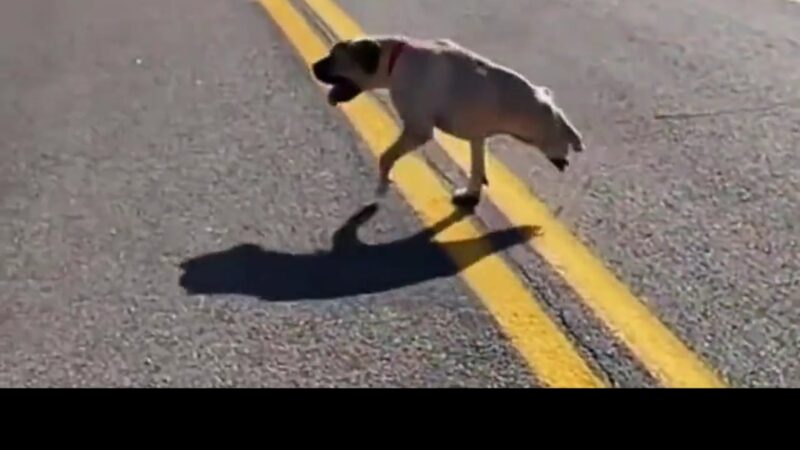
The Disabled Dog Who Walked Backward Finally Found Safety After Begging for Food in a Factory
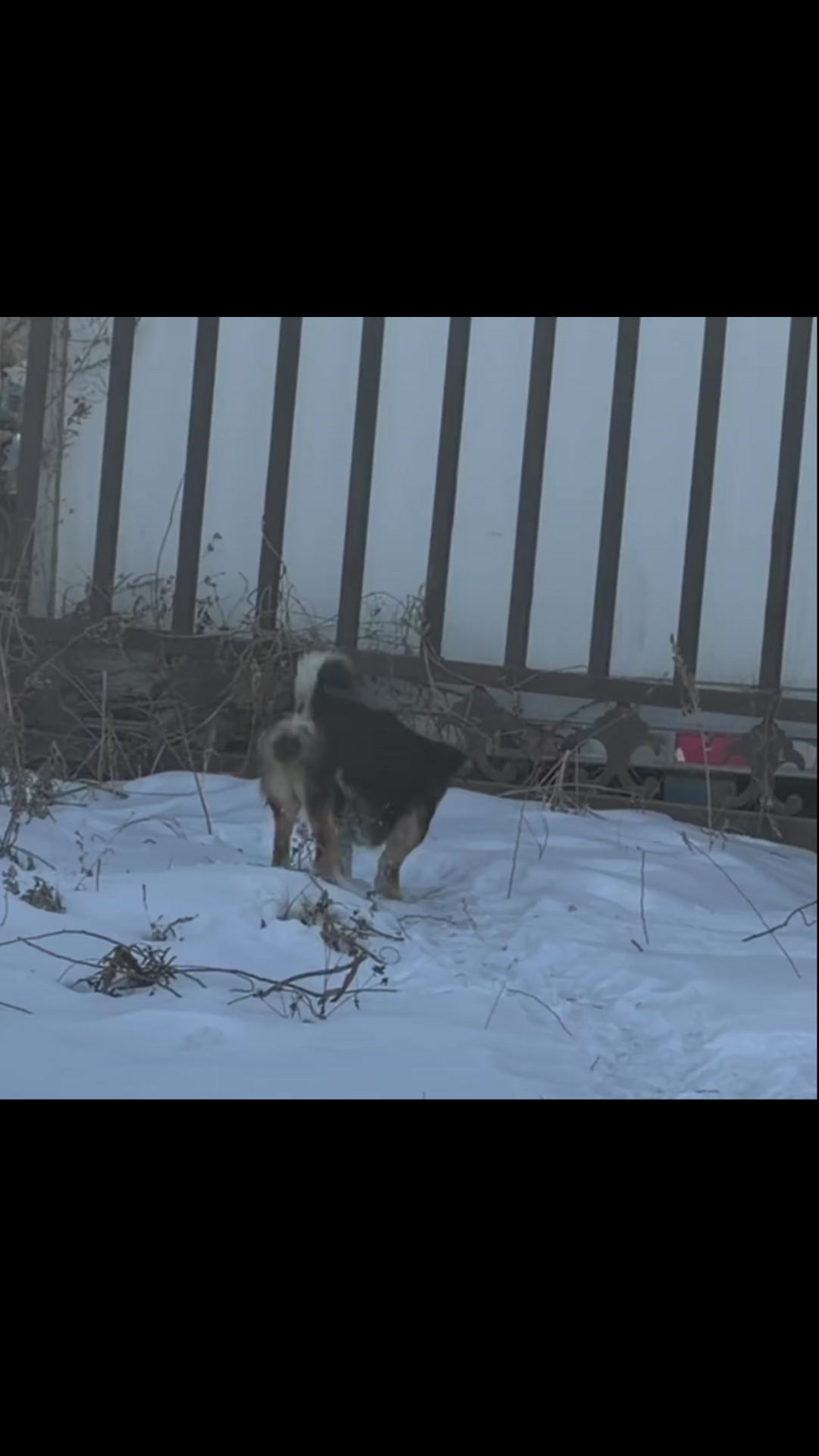
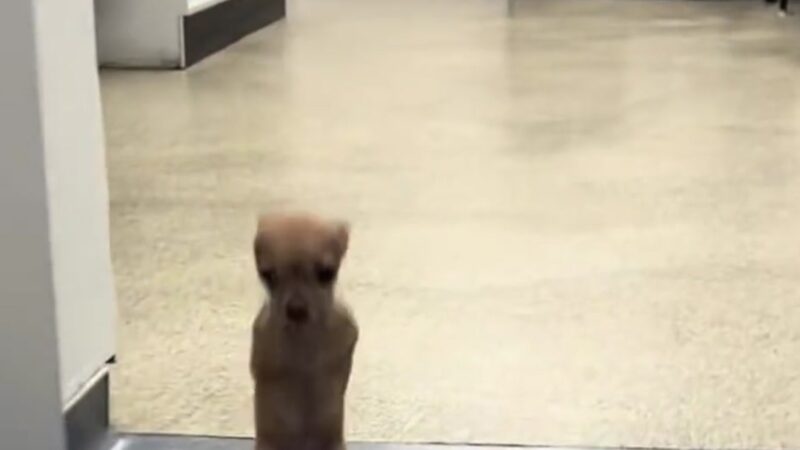
For a long time, workers at a noisy factory became familiar with the heartbreaking sight of a disabled stray dog wandering through the area in search of scraps of food. Unlike other dogs that could run freely or quickly escape danger, this little dog moved in an unusual and painful way, struggling to walk backward due to a severe physical disability. Every step looked difficult, yet the dog continued returning day after day, driven only by hunger and the desperate hope of survival.
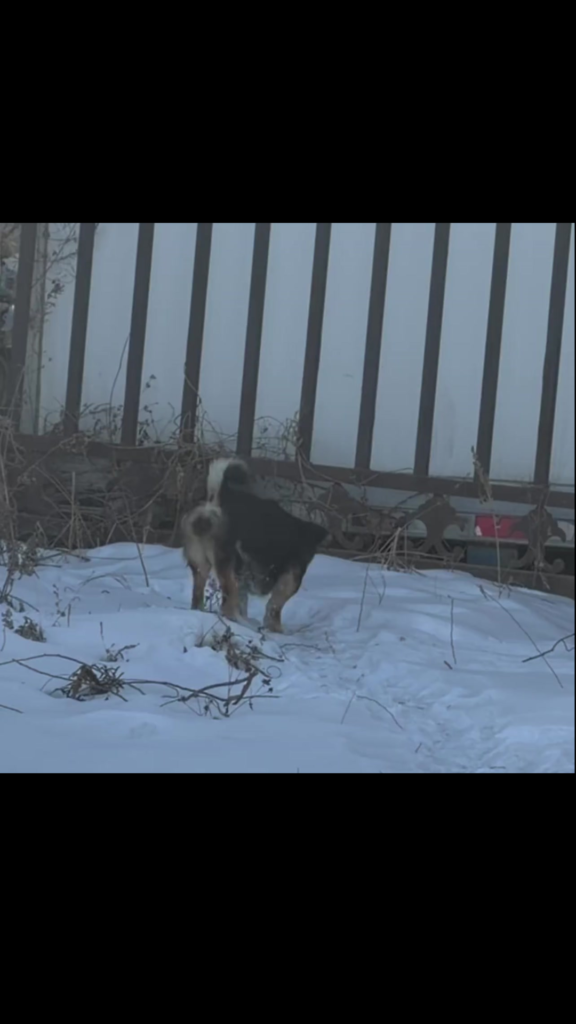
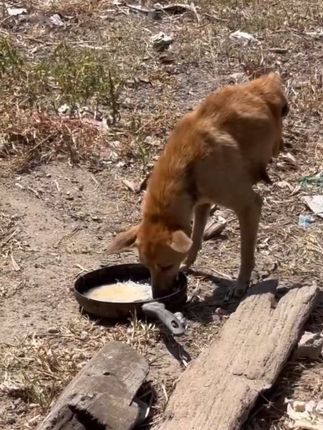
The factory was never a safe place for an animal. Large machines operated constantly, trucks entered and exited the grounds, and workers moved around carrying heavy equipment. Amid the loud sounds of metal and engines, the frightened dog tried to remain unnoticed while searching for leftover food near garbage bins and storage areas. Many employees felt sympathy for the animal, quietly tossing small pieces of bread or rice whenever they had the chance.
Despite the kindness of some workers, the dog was not welcomed by everyone. The factory owner reportedly grew frustrated after repeatedly seeing the stray animal on the property. Concerned about safety issues and disruptions, he contacted the police several times in hopes of removing the dog from the area. Each time authorities arrived, the frightened animal would disappear temporarily, only to return again later because it had nowhere else to go.
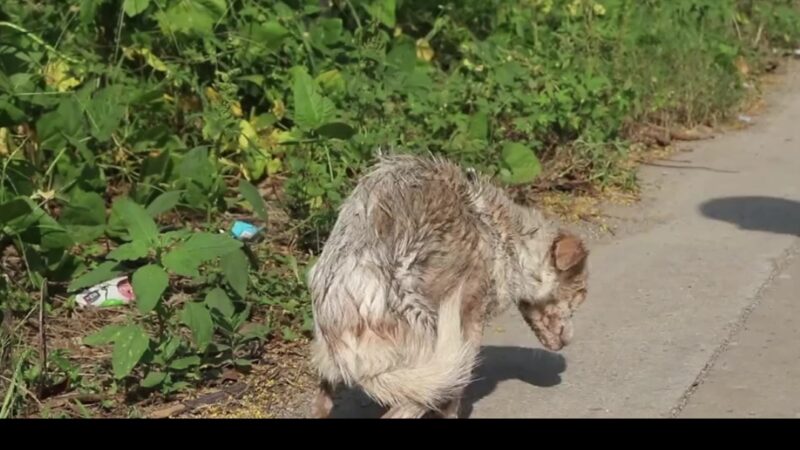
People who saw the dog closely described its condition as heartbreaking. Its body appeared thin and weak, and its unusual way of moving made it impossible for the dog to keep up with other strays. While most dogs could search through neighborhoods or run toward anyone offering food, this disabled animal struggled just to cross short distances. Some witnesses said the dog often lowered its head quietly, as if it had already become used to rejection and hardship.
The story eventually reached a small rescue group that decided to intervene despite having limited resources. The rescuers understood immediately that they could not provide expensive medical treatment or long-term rehabilitation on their own. However, they also knew leaving the dog inside the dangerous factory environment would almost certainly lead to tragedy sooner or later. Even if the dog avoided vehicles and machines, its fragile condition made daily survival increasingly difficult.
When the rescuers first approached the dog, it appeared extremely nervous and cautious. Life on the streets had clearly taught the animal not to trust people easily. The dog reportedly stepped backward awkwardly while watching every movement carefully, unsure whether the humans nearby intended to help or chase it away once again. Volunteers spent time patiently offering food and speaking gently until the exhausted animal slowly allowed them to come closer.
Many rescuers later admitted that seeing the dog up close was emotionally overwhelming. The animal’s disability was severe, and its body showed clear signs of long-term neglect. Yet despite everything it had endured, the dog never displayed aggression. Instead, it seemed tired, confused, and deeply afraid. Volunteers described its eyes as carrying a sadness that reflected months, perhaps even years, of loneliness and survival on the streets.
Transporting the dog safely was not easy. Because of its condition, every movement had to be handled carefully to avoid causing further pain or stress. The rescue team wrapped the frightened animal in blankets and slowly carried it into a vehicle while continuing to reassure it with calm voices. For the first time in a very long while, the disabled stray was finally leaving behind the dangerous factory where it had struggled to survive alone.
The rescue organization later explained that their capabilities were limited. They did not have the funding or facilities needed for advanced surgeries or specialized long-term medical care. However, they made a difficult but compassionate decision to transfer the dog to a shelter where it could at least live safely, receive regular meals, and avoid the constant fear of being chased away. For the rescuers, giving the animal stability and protection was already an important victory.
At the shelter, staff members carefully examined the dog and prepared a quiet resting space away from larger animals. After spending so much time exposed to harsh weather, hunger, and danger, the dog reportedly appeared confused by its new surroundings. Instead of concrete floors covered in dust and noise, it now had soft blankets, clean water, and people checking on its condition throughout the day. Shelter workers said the animal spent many hours simply resting peacefully, something it likely had not experienced in a long time.
Stories like this continue to highlight the harsh reality faced by disabled stray animals around the world. Healthy stray dogs already struggle to survive without stable food, shelter, or medical care. For animals living with physical disabilities, survival becomes even more painful and dangerous. They are often unable to compete with stronger animals for food and are far more vulnerable to accidents, abuse, and illness.
Animal welfare advocates say public awareness remains one of the most important tools in improving conditions for vulnerable strays. Many people still overlook disabled animals because they assume recovery is impossible or believe helping them requires enormous financial resources. While extensive treatment may not always be available, even small acts of compassion can significantly change an animal’s life. Providing temporary food, contacting local rescue groups, or helping transport an injured animal can sometimes mean the difference between life and death.
The dog’s story also sparked emotional reactions online after rescue volunteers shared photos and updates about its condition. Many social media users expressed sadness after learning the animal had spent such a long time begging for food while struggling to walk. Others praised the rescuers for stepping in despite their limited resources. Numerous comments focused not on the dog’s disability, but on its quiet determination to survive despite overwhelming hardship.
Some users wrote that the story reminded them how easily society ignores suffering that happens in everyday places. Workers at the factory reportedly saw the dog regularly, yet its painful condition eventually became part of the normal environment around them. Animal advocates say this kind of situation is common, especially with stray animals living near industrial areas, markets, or construction zones. Over time, people become accustomed to seeing suffering and stop realizing how serious it truly is.
Shelter staff members caring for the dog say the animal still faces a long road ahead. Its disability may never fully improve, and adapting to shelter life after years of surviving alone will take time and patience. Even so, the difference between its past and present circumstances is already enormous. Instead of constantly searching for scraps while avoiding danger, the dog now has regular meals, medical supervision, and a secure place to sleep.
Rescuers involved in the case hope the story encourages more people to support local shelters and animal welfare organizations. Many small rescue groups operate with very limited budgets while caring for growing numbers of abandoned and injured animals. Volunteers often spend their own money on transportation, food, and emergency treatment because they cannot ignore the suffering they witness. Cases involving disabled animals are especially challenging because they frequently require extra care and long-term attention.
Although the dog may never understand how many people became touched by its story, its rescue represents something meaningful to those who helped save it. For months, perhaps longer, the animal survived in a place filled with danger and rejection. It was chased away, reported to authorities, and left to struggle alone with a severe disability. Yet somehow, it continued fighting to stay alive until someone finally chose compassion over indifference.
Today, the disabled dog no longer needs to wander through the factory searching desperately for scraps of food. It no longer has to fear loud machines, harsh weather, or being forced away from the only place where it could sometimes eat. While its future remains uncertain, one thing has changed forever: the dog is finally safe. After enduring a lonely and painful existence on the streets, it now has the chance to live without constant fear, surrounded instead by people determined to give it the care and dignity it always deserved.